
Individual Therapy for Children & Adolescents
Child and adolescent therapy is designed to help young people better understand their emotions, build coping skills, and navigate developmental challenges in healthy ways. Because children and teens are still growing socially, emotionally, and cognitively, therapy is tailored to their stage of development and unique personality.
Concerns commonly addressed include anxiety, depression, ADHD and executive functioning, behavioral challenges, emotional regulation, school stress, peer difficulties, family transitions, perfectionism, body image, and self-esteem. Therapy may also support children navigating trauma, grief, or significant life changes such as divorce or medical diagnoses.
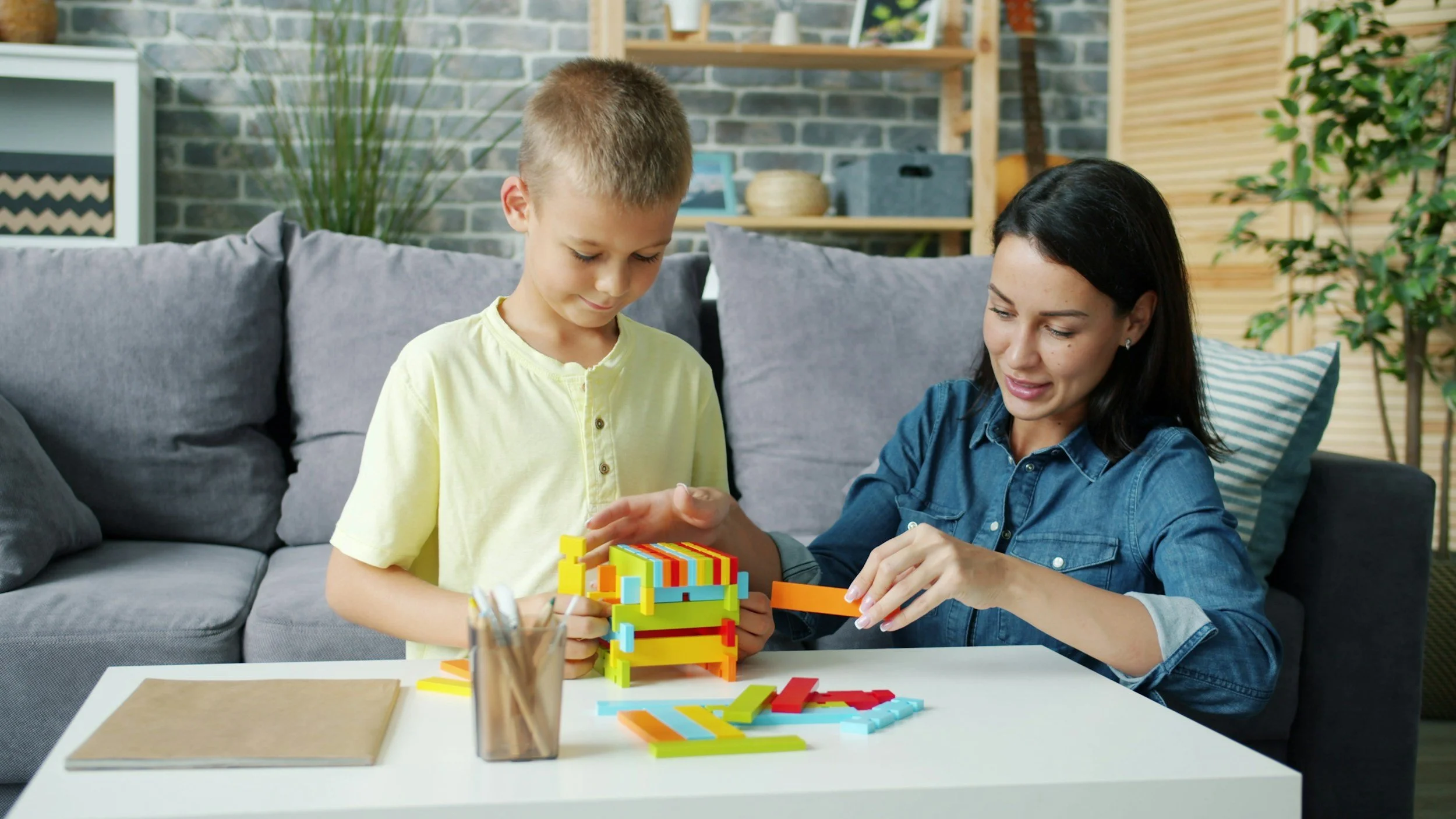
At AICC, we approach child and adolescent therapy through a developmental and relational lens. This means we consider not only the presenting symptoms, but also family dynamics, school context, temperament, strengths, and cultural influences. Treatment is grounded in evidence-based practices, particularly cognitive behavioral therapy (CBT), while remaining flexible and responsive to each child’s needs.
For younger children, therapy may include developmentally appropriate techniques such as play-based or expressive approaches. For adolescents, sessions often focus on insight-building, emotional regulation, communication skills, and strengthening independence. Across ages, we emphasize practical tools, steady progress, and building resilience.
Parents and caregivers are active partners in the process. When appropriate, we provide guidance and strategies to support growth at home and in school, helping ensure that therapeutic gains extend beyond the therapy room.
The goal of child and adolescent therapy is not simply symptom reduction, but fostering confidence, emotional understanding, stronger relationships, and long-term well-being.

Individual Therapy Can Help Children With:
Anxiety and depression
Handling intense emotions
Trauma
Motivation
OCD
Identity Development
Perfectionism
Confidence and healthy self-esteem
Communication and social skills
School challenges and academic pressure
Life transitions (divorce, moves, new schools)
Problematic relationships
Emotional regulation and coping strategies
Behavioral concerns and impulse control
Body image & eating
Friendships and peer relationships
Grief, loss, or family changes
ADHD and executive functioning challenges
How Individual Therapy Helps Children:
Provides a safe, supportive space to express thoughts and emotions
Helps children understand their thoughts, feelings and behaviors
Teaches healthy strategies for managing & overcoming challenging thoughts, feelings and behaviors
Builds confidence and a stronger sense of self
Improves insight, communication and problem-solving abilities
Practice skills for emotional regulation and impulse control
Strengthens social skills and peer relationships
Encourages resilience and perseverance during life changes and challenges
Helps process difficult and traumatic experiences in an age-appropriate way
Empowers children to develop healthy habits and positive behaviors
Our Approach
Our therapists create a warm, supportive space where children feel safe to express themselves. Sessions are engaging, developmentally appropriate, and focused on building practical skills for emotional growth and everyday success.
What to Expect
Sessions are tailored to your child’s age, personality, and unique needs. You can expect a mix of conversation, play, and skill-building activities designed to help your child feel comfortable and engaged. Therapists collaborate with caregivers when appropriate, offering insights and tools to support progress at home while keeping the child’s trust and confidentiality at the center of the work.